A man at a kitchen table with bottles behind him brings both arms up into a heart shape over his head, holding it for the camera.
Now it's you. Upload one photo and the 0:07 loop comes back with one face replaced. What stays: arms raised into a heart, a kitchen table behind him, a held flex, the 9:16 frame and the original sound.
What is Bicep Heart AI and how do I make one?
Bicep Heart AI is a 0:07 vertical 9:16 comedy loop in the MakeTrend library. Upload one photo — one clear, front-facing subject per slot — pick a finish in the order panel, and the render comes back as an MP4 with one face swapped in. The original motion and audio stay on the file; there is no watermark and no editing software involved. In this one, arms raised into a heart, a kitchen table behind him, a held flex all stay exactly where they are in the preview.
Bicep Heart explained
The Bicep Heart trend is a comedy loop that sets up a reaction and holds on it long enough to land the joke. What plays above is the real library preview at 9:16, not a storyboard: the 0:07 runtime, the vertical 9:16 frame and one photo on this page are the ones your render uses.
People look for this clip under a few different names: Bicep Heart meme or Bicep Heart trend. Whatever it is called, heart shaped arms and the 0:07 timing are fixed — the only thing that changes is one face.
Bicep Heart AI video: what's actually in the file
Everything below is identical on all three finishes — the 0:07 runtime, the 9:16 frame and the original sound come from the preview above. Arms raised into a heart and a held flex stay; only one face change.
- Length
- 0:07 loop · 7s source file
- Frame
- vertical 9:16 · post as-is on a phone screen
- In the clip
- arms raised into a heart · a kitchen table behind him — unchanged
- Faces
- 1 face replaced
- File
- MP4 with the original sound, no watermark
- Turnaround
- About 75 seconds from cleared checkout
- Privacy
- Uploaded photos deleted 7 days later
- Examples
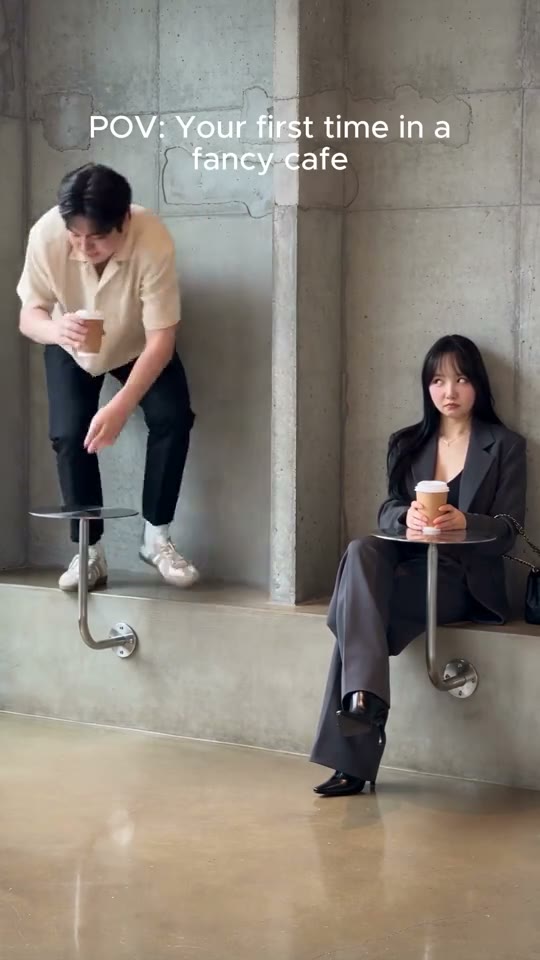
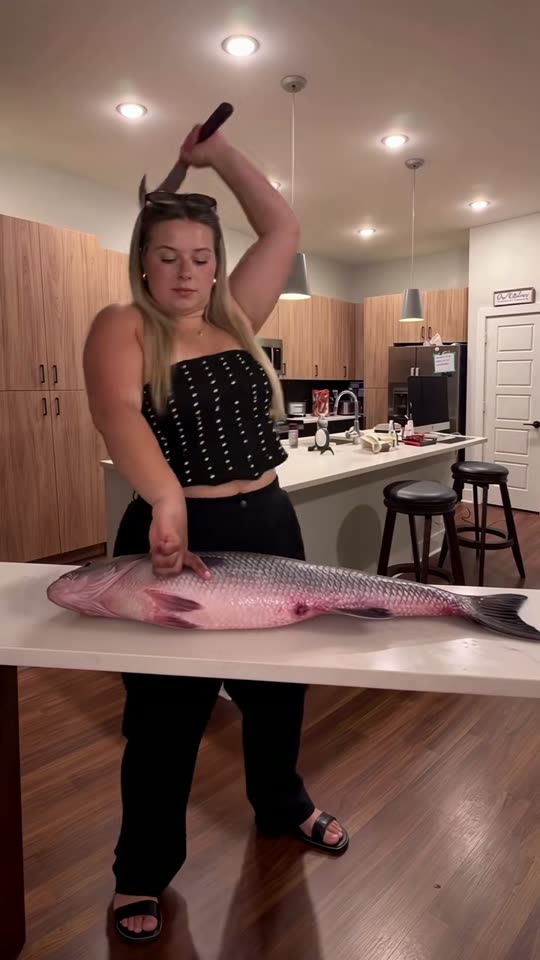
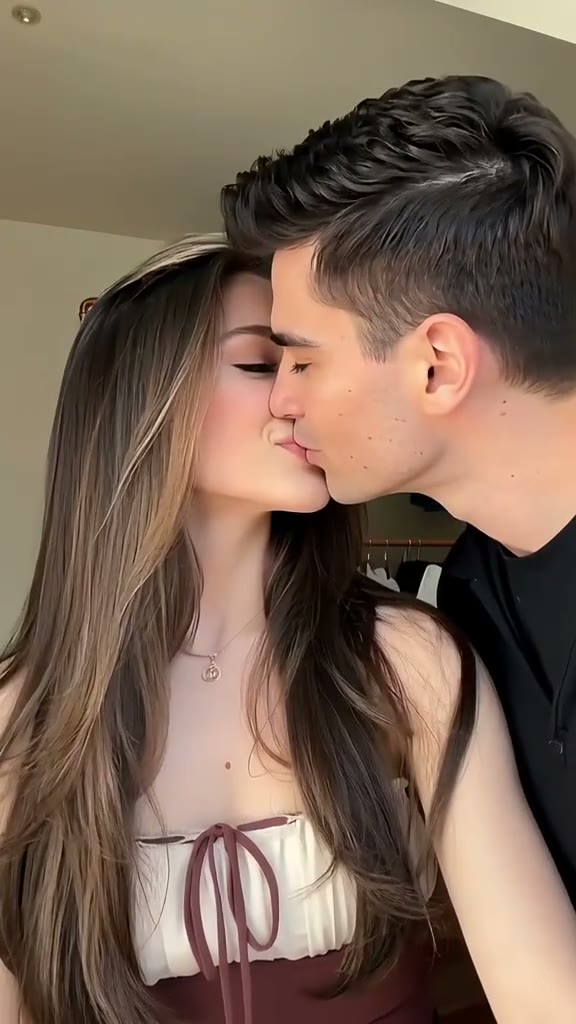
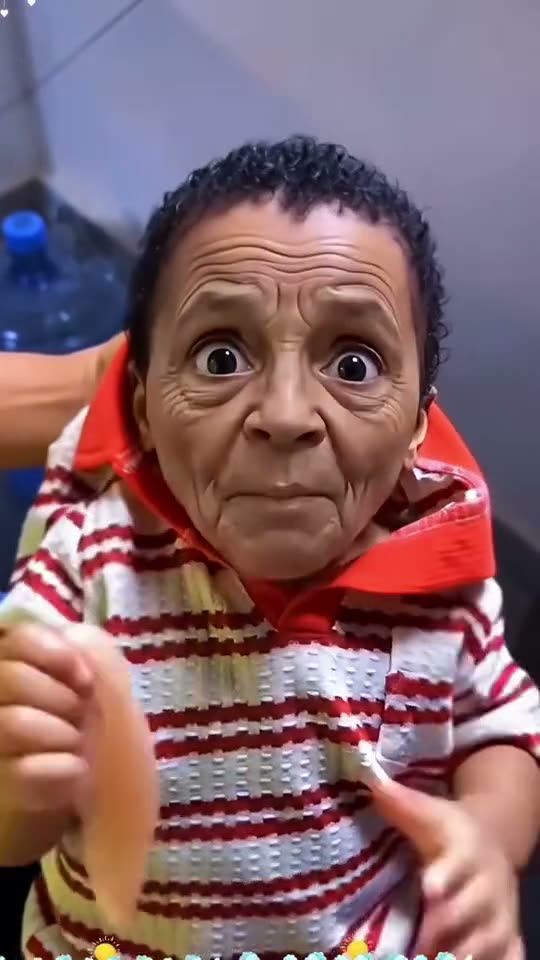
- three other takes on this loop shown above
Your Bicep Heart video in three steps
The order panel above handles the upload and the payment. These are the three decisions that decide how the Bicep Heart render turns out.
- 01
Add one photo. One clean, front-facing photo for each face in the frame. JPG, PNG or WebP, up to 10 MB each. The arms frame the face, so a photo with a bit of shoulder and no cropped forehead keeps the heart shape from swallowing the swap.
- 02
Choose a finish. 480p for a quick look and reposts, 720p for everyday posting, 1080p for ads and client work. The order panel above shows all three for this Bicep Heart 0:07 clip — the scene and the sound are the same on each.
- 03
Render and download. The render starts as soon as checkout clears. About 75 seconds later the 9:16 MP4 is in your library, with the loop's audio and no watermark.
What photo works for the Bicep Heart AI video
The render is only as good as the source. One clear subject is all the model needs — a group shot makes it guess.
Works
- The arms frame the face, so a photo with a bit of shoulder and no cropped forehead keeps the heart shape from swallowing the swap.
- One face filling the frame — a person or a pet
- Facing the lens in even light
- Sharp — not a screenshot of a photo
- A neutral expression is easier to place than a big grin, and one face per photo is non-negotiable on the two-person clips.
Breaks it
- Sunglasses, masks or a hand across the face
- Hard profile turned past 45°
- Two subjects in one photo — the model picks the first face it finds
- A heavy filter or a low-light, grainy shot
Why is my Bicep Heart face swap blurry? On a vertical 9:16 frame the face gets fewer pixels than you would expect, and heart shaped arms does not help. Re-upload a sharper, straight-on original rather than changing the finish.
Where the Bicep Heart clip ends up
Who people put in the Bicep Heart clip: someone sending a very earnest valentine; the friend who flexes in every photo; a couple's inside joke. One face means the whole joke lands on whoever you choose. Use a photo you have permission to use — that goes double for anyone who is not you.
Where a Bicep Heart video ends up: anniversary posts, valentine memes, gym-joke replies. The 9:16 frame fills a phone screen with no cropping, so the MP4 can go straight to TikTok, Reels or Shorts as-is. Keep the original sound if the trend depends on it and put captions outside the face.
Looking for something else in the same shelf? Browse all 19 skits & pranks AI videos.
What people ask once they've seen Bicep Heart
Watched the Bicep Heart loop above and still wondering about heart shaped arms or a held flex? The first group of answers is about the clip itself; the rest cover your render and where you can post it.
A man at a kitchen table with bottles behind him brings both arms up into a heart shape over his head, holding it for the camera. Nothing was generated while you watched — the player is playing the real 0:07 file. The AI pass happens only after you upload.
It is the face from the source loop, used to show the framing — not a customer photo. One clear portrait replaces it, and the rest of the 9:16 frame stays exactly as it is.
Different source photo. In "Selfie in a grey tee" the face is lit and angled differently, which is why it reads like another clip — heart shaped arms and the audio are the same on both.
The scene is fixed. Nothing about the heart shaped arms or the 7-second timing is editable here, and the three finishes differ only in resolution. If you want a different setup, there are 18 other loops in the skits & pranks shelf.
No — what you watched is the source, not a render. It is a real 7-second video file; the AI pass starts when you order and returns a new 0:07 MP4 with your face in it.
One photo, full stop — one clear, front-facing subject, JPG, PNG or WebP up to 10 MB. The arms frame the face, so a photo with a bit of shoulder and no cropped forehead keeps the heart shape from swallowing the swap.
Almost always the source photo. In a 9:16 frame the face gets fewer pixels than you expect, and a screenshot, a heavy filter or a dim original makes it worse. Re-upload a sharp, straight-on portrait with no sunglasses or hair over the eyes — choosing 1080p will not fix a soft input on Bicep Heart.
Yes, if it is sharp, evenly lit and straight-on. Photograph or scan the print in daylight rather than under a lamp; a screenshot of a photo is the one that usually comes back soft.
Your Bicep Heart render as one 9:16 MP4, with arms raised into a heart and the sound intact. It is normally ready in about 75 seconds, the file and its link last 30 days, and the photos you uploaded are deleted 7 days after the render.
It is the loop's own sound, exactly as you heard it. Only one face is re-rendered; the timing, the mix and the 7-second length stay. We do not clear or replace tracks — a platform mute is a rights matter outside the render.
Ask first, and use only photos you have permission to use. A Bicep Heart render puts a recognisable face into a 0:07 loop, so a friend, a relative or a coworker should agree before you upload them; public figures are best left out. Your own photo is the simplest route.
Yes — the 9:16 frame fills a phone screen without cropping, so the MP4 can go straight to TikTok, Reels or Shorts. It is watermark-free, with the original sound on the file.
No. You get the 0:07 9:16 MP4 with the original sound, no watermark, no logo and no end card. The only difference between finishes is resolution; the disclosure label, if you need one, is set where you publish.
The MP4 and its download link both expire 30 days after the render, and the photo you uploaded is deleted after 7. Save the file when it lands — nothing else is kept.
Ready to see yourself in Bicep Heart?
Upload one photo in the order panel above. Arms raised into a heart stays; one face becomes yours in the 0:07 MP4.